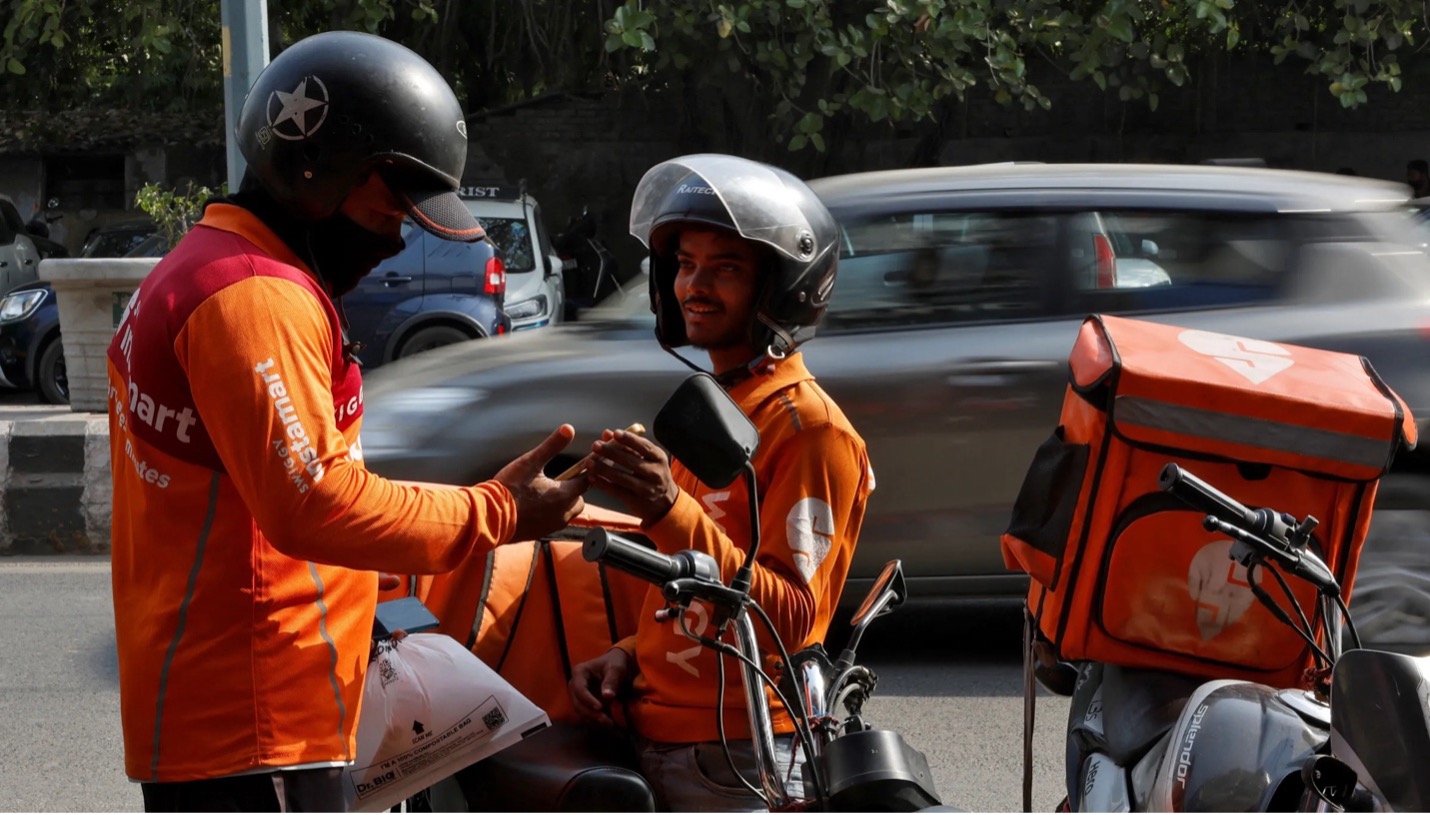
On December 31, 2025, gig workers across India once again came together to protest long-standing issues in platform-based work. Delivery partners from food delivery apps, quick commerce services, and e-commerce platforms had called for a nationwide strike, hoping to disrupt year-end deliveries and force action on pay, safety, and working conditions.
The timing was deliberate. December 31 is one of the busiest days of the year for food and goods delivery, with demand peaking across cities.
The Context: Why Gig Workers Went on Strike
The strike was driven by growing dissatisfaction among gig workers who feel that earnings have not kept pace with rising costs and increased workload.
Workers also raised concerns about algorithm-driven systems that create unpredictable schedules, unsafe delivery targets, and pressure to accept orders under tight timelines.
Unions representing gig workers highlighted several recurring issues, including declining per-order payouts, arbitrary account suspensions, lack of transparency in ratings, and the absence of basic labour protections such as insurance and social security.
Organisers expected a large number of delivery partners to log off their apps during peak hours, amplifying the impact of the protest. Earlier demonstrations on December 25 had already set the stage for a renewed push on December 31.
What Actually Happened on December 31
Despite the nationwide strike call, the actual disruption to delivery services was limited.
Most major platforms continued operating at near-normal levels. While a few regions experienced slower deliveries or brief partner walkouts, large-scale service interruptions did not materialise.
From a customer perspective, many users reported little to no impact on order availability or delivery times.
Why Didn’t the Strike Disrupt Services More?
Platform Incentives Increased Sharply
To ensure sufficient delivery coverage, platforms raised per-order payouts and introduced special surge incentives for peak hours.
These temporary earnings boosts made working on December 31 financially attractive for many delivery partners, weakening the impact of the strike call.
Strike Participation Was Uneven
While unions claimed strong participation, the reality on the ground was mixed.
Many workers chose to log in and work, balancing immediate income needs against collective action. The flexibility inherent in gig work made coordinated participation difficult.
Operational Backup Measures Helped Platforms
Companies also relied on reserve delivery fleets, third-party logistics partners, and reactivated dormant accounts to maintain service continuity.
These operational measures further reduced the visible impact of the protest.
What This Means for Platforms and HR Leaders
The December 31 strike highlighted both the dependence of India’s digital economy on gig workers and the limitations of short, one-day protest actions.
For HR and people leaders in platform-driven or gig-dependent businesses, several insights stand out.
- Incentive design matters: Surge pay and flexible incentives can stabilise operations during peak demand or unrest, but they do not resolve deeper concerns around income predictability and fairness.
- Worker sentiment shifts quickly: Gig workers have the autonomy to choose when to work. Sustained engagement and trust-building are critical for long-term retention.
- Core issues remain unresolved: Safety, social security, worker classification, and algorithmic transparency continue to be central concerns that cannot be addressed through short-term fixes.
What Comes Next for the Gig Economy
In the aftermath of the strike, conversations around policy reform and platform practices have intensified.
Platforms, regulators, and labour experts are increasingly debating how to balance business growth with worker dignity, protections, and sustainable income models.
There is growing recognition that the gig economy cannot thrive if worker concerns are repeatedly postponed or addressed only during moments of disruption.
Conclusion
The December 31 strike may not have brought India’s delivery ecosystem to a halt, but it successfully revived a critical debate.
For HR teams operating in this space, the moment serves as a reminder that long-term success depends on building fair, transparent, and humane frameworks for gig work.
Short-term incentives can manage demand. Long-term trust requires structural change.