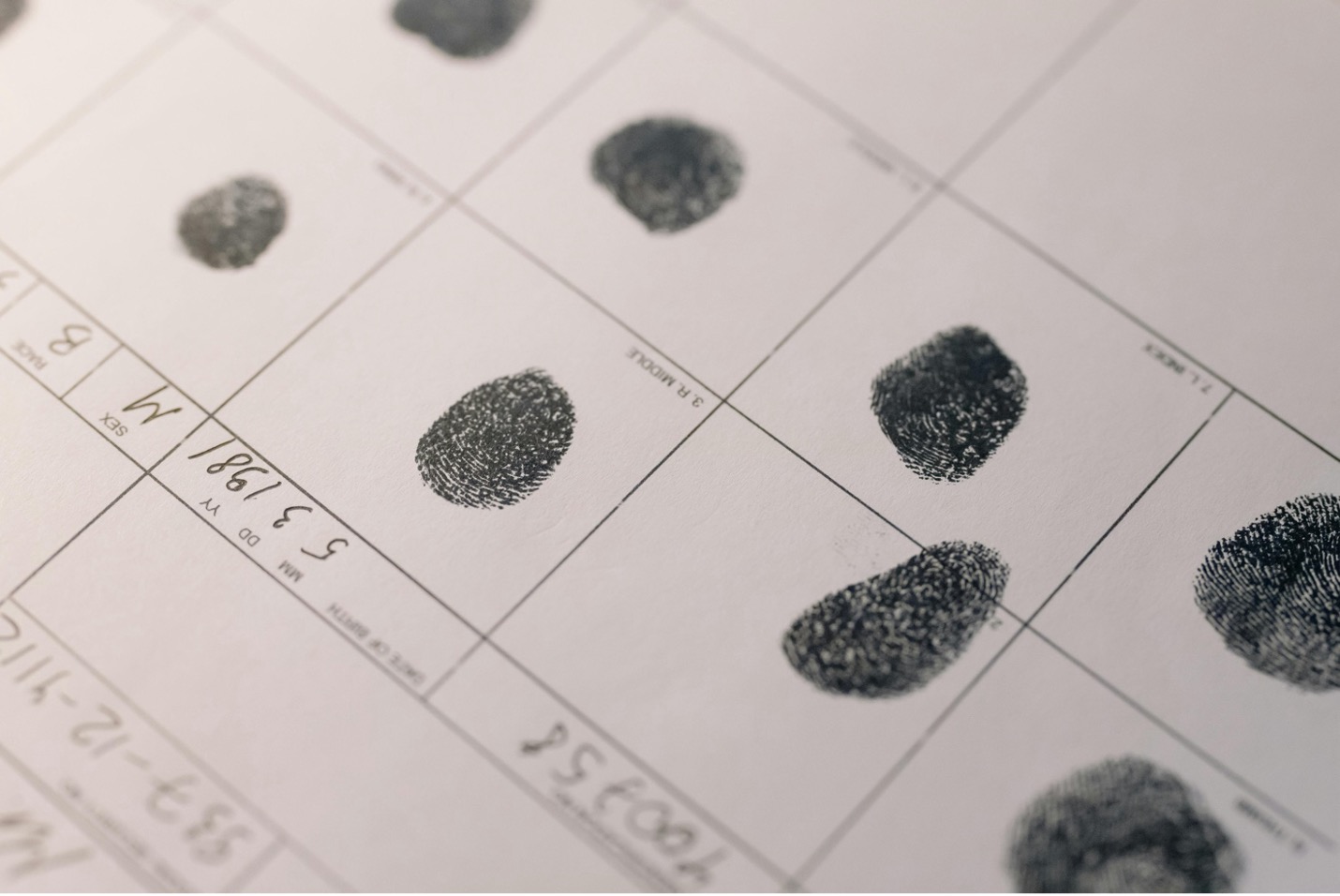
AI is quietly rewriting how Indian companies run background checks on candidates. What used to be a slow, paperwork heavy formality is turning into a fast, data driven risk engine that sits right inside your hiring workflow.
In India, this shift is happening at the same time as two big changes:
- AI tools becoming more powerful and accessible, even for smaller HR teams
- Stricter data protection rules under the DPDP Act and new privacy regulations
Put together, the future of background checks here will look very different from what most HR teams are used to today.
Why background checks are under pressure to change
Three forces are pushing Indian employers toward AI powered verification:
1. Fake and AI generated resumes are exploding
Indian background verification firms report a rise in sophisticated resume fraud, helped along by AI tools that generate polished but misleading profiles.
2. Speed of hiring is now a competitive edge
BGV providers using AI claim they have cut turnaround from weeks to hours, and say that with agentic AI, verification will soon be almost instant for many checks.
3. Data protection is no longer optional
The Digital Personal Data Protection Act 2023, along with new rules notified in November 2025, brings heavy penalties for mishandling personal data, including candidate data. Fines can go up to ₹250 crore per incident, and HR cannot hide behind “vendor did it”.
So HR and Talent Acquisition leaders in India are looking for ways to stay fast, stay compliant and still make sound hiring decisions. That is where AI enters the background check workflow.
What AI in background checks already looks like in India
Several Indian BGV and HR tech companies are already using AI across the verification chain.
Typical use cases include:
-
Smart document intake and OCR
Reading PDFs, images and scans of Aadhaar, PAN, marksheets, offer letters and relieving letters, and converting them into structured data. -
Entity matching and de-duplication
Matching “Raj V.” on a resume with “Raj Varma” on a PF record and catching minor spelling differences. -
Fraud and tampering detection
Detecting edited PDFs, manipulated salary slips or fake university logos using computer vision. -
Intelligent rule engines
Automatically checking whether notice period claims, past CTC, tenure or designation align with industry norms and internal policies. -
Privacy by design features
Auto masking Aadhaar numbers and enforcing DPDP compliant retention and access rules.
All of this still usually ends with a human quality check, but AI is doing more of the heavy lifting.
The regulatory guardrails that will shape AI in BGV
The future of AI in candidate background checks in India will be driven as much by law and policy as by technology.
1. DPDP Act and new privacy rules
The Digital Personal Data Protection Act, 2023 is India’s first comprehensive data protection law. It requires:
- Specific, informed consent for clearly stated purposes
- Data minimisation, collecting only what is necessary
- Purpose limitation for data usage
- Strict vendor accountability
- High penalties for breaches and non-compliance
New DPDP rules notified in November 2025 push companies to collect only necessary data, be transparent and promptly report breaches.
2. India AI Governance Guidelines
Government issued AI Governance Guidelines emphasise transparency, documentation and explainability in high impact automated decision making.
3. Responsible AI norms from industry bodies
Industry bodies stress fairness, non-discrimination, human oversight and clear communication with affected individuals.
The next 3 to 5 years: how AI background checks will actually look
1. From post-offer formality to upfront risk signal
AI enables pre-offer checks such as PAN validation and instant red flag detection, turning BGV into a predictive hiring signal.
2. Near instant verification for many hires
Agentic AI systems are reducing turnaround times by integrating consent, KYC, government databases and risk engines.
3. AI forged resumes vs AI powered verification
Expect deeper document authenticity checks, pattern analysis and shared industry databases to counter AI-driven fraud.
4. Continuous and risk based screening
High risk roles may see periodic or continuous checks instead of one time verification, balanced carefully against privacy.
5. More candidate visibility, not less
Candidates will increasingly expect transparency, access to reports and the ability to contest errors.
What Indian HR and TA teams should start doing now
1. Redesign consent and communication
- Clear, specific consent language
- Simple explanations in English and regional languages
- FAQs explaining checks and data protection
2. Choose AI enabled vendors with DPDP readiness
Evaluate data storage, AI usage, audit trails and Indian data residency.
3. Decide what will never be automated
Set ethical red lines to avoid misuse and legal risk.
4. Build an internal AI governance habit
Maintain registers, approvals and review KPIs for AI driven BGV.
5. Train recruiters to read AI generated reports
Recruiters must understand confidence scores, flags and how to discuss findings fairly with candidates.
The ethical balance: trust, not surveillance
Used poorly, AI can feel like surveillance. Used well, it can increase trust, speed and fairness in hiring.
The future is not AI versus HR. It is AI doing the heavy lifting, while HR and business leaders stay firmly in charge of decisions, ethics and candidate experience.